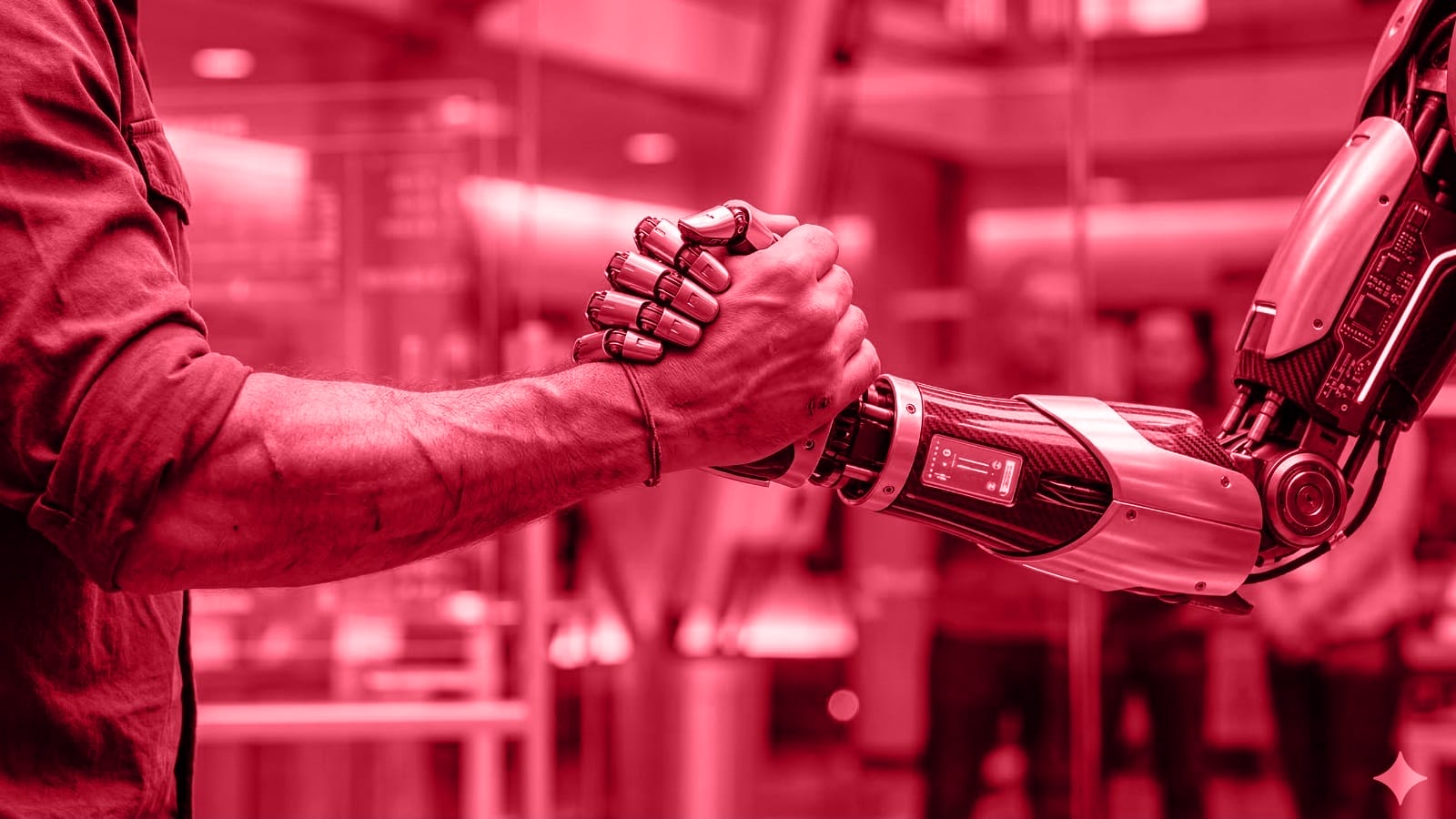
The history of automation suggests that AI will not eliminate human labor entirely. Adam Ozimek writes for The Atlantic that past technological disruptions, from the player piano to recorded music, ultimately failed to wipe out the jobs they threatened.
The player piano, invented in the 1890s, fully automated musical performance. Major composers like Igor Stravinsky even argued the machines surpassed human players. Yet pianists remain common today, while player pianos have largely disappeared into museums.
Musicians have faced repeated waves of automation over the past century, including the phonograph, radio, and streaming services. Despite this, the number of employed musicians in the United States is currently at an all-time high, according to Census Bureau data cited in the article.
Ozimek attributes this resilience to what he calls “the demand for the human touch.” Consumers consistently place value on who provides a good or service, not just the output itself. This demand appears to grow alongside income. Fine dining, for example, involves more human staff as the bill increases.
The same dynamic applies beyond music. Millions of waiters and sales workers remain employed despite widely available automation alternatives.
Ozimek acknowledges that AI will displace workers in some roles. However, he argues that wherever consumer demand for human involvement exists, policy tools such as wage subsidies and progressive taxation can help sustain employment.
Stay up to date
AI for content creation: the latest tools, tips and trends. Every two weeks in your inbox:

